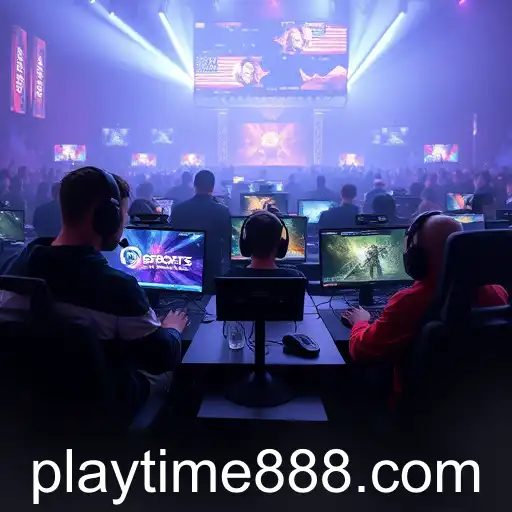
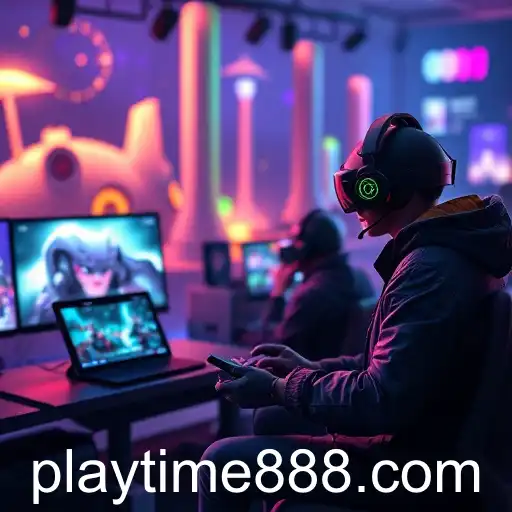
As we progress into 2026, the gaming industry continues its transformative journey, with 'games playtime' being a critical factor influencing new trends and technologies. Over the past few years, the industry has seen a dramatic shift towards more immersive and engaging experiences that go beyond traditional gameplay. This shift is largely driven by advancements in virtual reality and augmented reality technologies.
Virtual reality has become a cornerstone of modern gaming, offering players an unprecedented level of immersion and interactivity. Developers are increasingly focusing on creating games that not only entertain but also provide social and collaborative experiences. This is evident in the growing popularity of multiplayer VR games, where players from around the world can interact in shared virtual spaces. Such dynamics have redefined how we perceive 'games playtime,' turning it into a social event rather than solitary entertainment.
In tandem with these technological advancements is the rise of online platforms that facilitate extensive content sharing and community building. Streaming services and social media channels like Twitch and YouTube Gaming have grown exponentially, offering gamers a platform to showcase their skills and connect with audiences. The symbiotic relationship between game developers and content creators is a testament to the evolving dynamics of the gaming ecosystem.
Moreover, the gaming industry remains at the forefront of innovation in AI technology, with AI-driven characters offering more realistic and challenging interactions. This has significant implications for player engagement, as it enhances the overall user experience by providing dynamic and adaptive gameplay.
The economic implications of these trends are immense. The global games market is projected to continue its growth trajectory, with analysts predicting significant revenue increases driven by both virtual and augmented reality segments. As the industry expands, it also opens up new career opportunities in fields related to game development, digital marketing, and esports management.
Looking ahead, the focus on player well-being is gaining prominence. Developers and industry stakeholders are increasingly aware of the need to balance playtime with health considerations, promoting responsible gaming practices. This holistic approach ensures that as the industry flourishes, it does so sustainably and ethically, offering players not just entertainment, but also a healthy and balanced lifestyle.
In conclusion, the gaming landscape in 2026 is characterized by rapid technological advancements, increased online interaction, and a broader societal impact. As we embrace these changes, the concept of 'games playtime' will continue to evolve, reflecting the dynamic and interconnected nature of the modern gaming world.